
Grid Edge Transformation
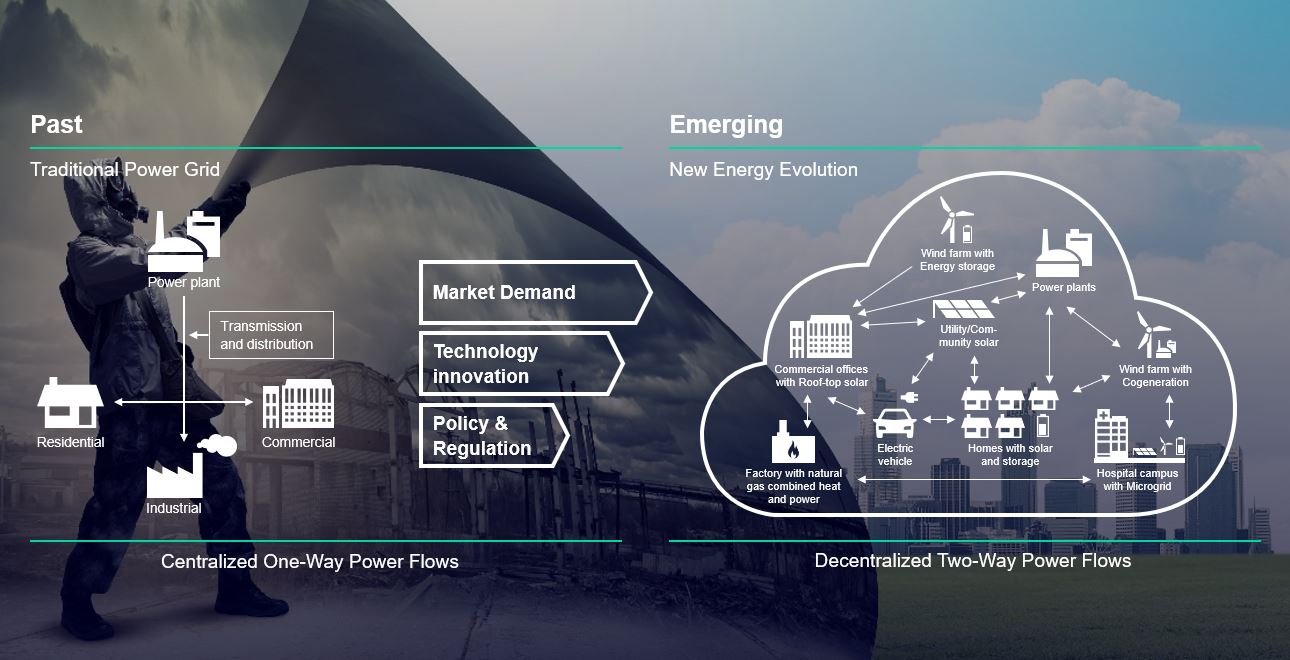
Solar Policy in Malaysia
Large Scale Solar
(LSS)
Malaysia’s Large Scale Solar (LSS) policy is a government-led competitive bidding programme aimed at rapidly scaling up utility-scale solar photovoltaic (PV) capacity and accelerating the country’s energy transition toward renewable energy. Under the initiative, the Energy Commission (Suruhanjaya Tenaga) and the Ministry of Energy Transition and Water Transformation (PETRA) periodically offer quotas of solar power capacity to qualified developers through competitive tenders, requiring successful bidders to build, own, and operate ground-mounted or floating solar plants that sell electricity to the national grid under long-term Power Purchase Agreements (PPA).
Corporate Renewable Energy Supply Scheme (CRESS)
Malaysia’s Corporate Renewable Energy Supply Scheme (CRESS) is a government-led policy framework to enable corporate companies to directly procure renewable electricity – particularly solar power through the national grid under a Third-Party Access (TPA) model. Under this scheme, eligible corporations (“Green Consumers”) can enter into Power Purchase Agreements (PPA) directly with renewable energy developers, bypassing the need for traditional utility intermediaries. Renewable energy generators inject clean power into the grid and corporate buyers can negotiate terms and supply volumes that match their operational needs while paying a system access charge for grid usage.
Accelerated Transition Action Programme (ATAP)
Malaysia’s Solar Accelerated Transition Action Programme (Solar ATAP) is an updated rooftop solar policy framework, officially implemented on 1 January 2026, designed to accelerate adoption of distributed solar photovoltaic (PV) generation across domestic and non-domestic consumers. It succeeds the former Net Energy Metering (NEM) scheme, maintaining the core principle that solar power generated onsite is primarily for self-consumption while allowing surplus electricity to be exported to the grid and credited to the consumer’s bill under defined rules. Solar ATAP aims to make rooftop solar more accessible, cost-neutral, and aligned with grid stability as renewable capacity grows.
Self-Consumption
(SELCO)
Malaysia’s Solar Self-Consumption policy, referred to as the Self-Consumption Solar PV (SELCO) programme, allows electricity consumers including residential, commercial, industrial, and agricultural users to install solar photovoltaic (PV) systems on their own premises and use the electricity generated primarily for their own consumption rather than selling excess power back to the national grid. Under this policy, the solar system is connected to the user’s internal electrical network, and electricity generated is consumed on-site; any surplus energy beyond immediate consumption cannot be exported to the grid or credited under this programme.
Our Solution
Grid-Connected System
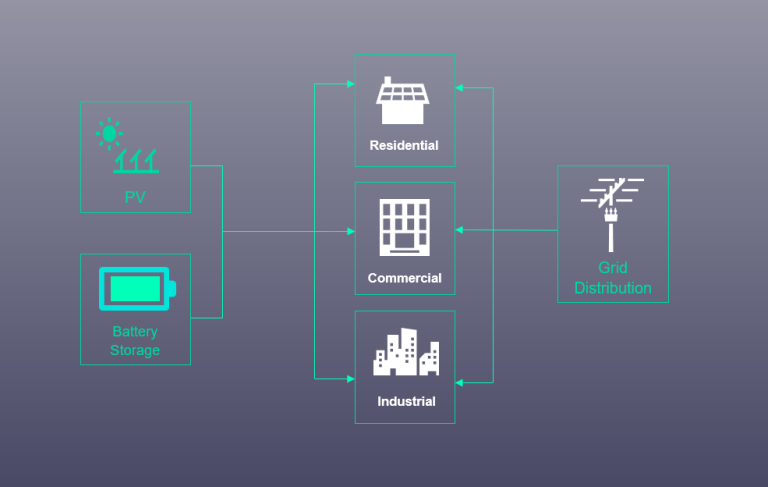
For residential applications, the system is typically installed on rooftops and sized to match household electricity demand. Solar energy generated during the day is used directly by the home, reducing electricity bills, while excess power can be exported to the grid under ATAP policy, with the grid supplying electricity at night or during low solar production periods.
For commercial buildings such as offices, shopping malls and hotels, grid-connected solar systems are usually larger and optimized to offset daytime energy consumption, which aligns well with solar generation profiles. These systems help businesses significantly reduce operating costs, stabilize energy expenses, and meet their ESG targets. Integration with energy management systems enables monitoring of performance, load optimization and compliance with grid and regulatory requirements.
In industrial facilities, grid-connected solar systems are designed at much larger capacities to support energy-intensive operations. They are commonly installed on factory rooftops, carports or adjacent land and can be integrated with battery energy storage systems to manage peak demand and improve power reliability. By combining on-site solar generation with grid support, industrial users can reduce electricity costs, lower carbon emissions and enhance energy resilience without compromising operational continuity.
Hybrid System
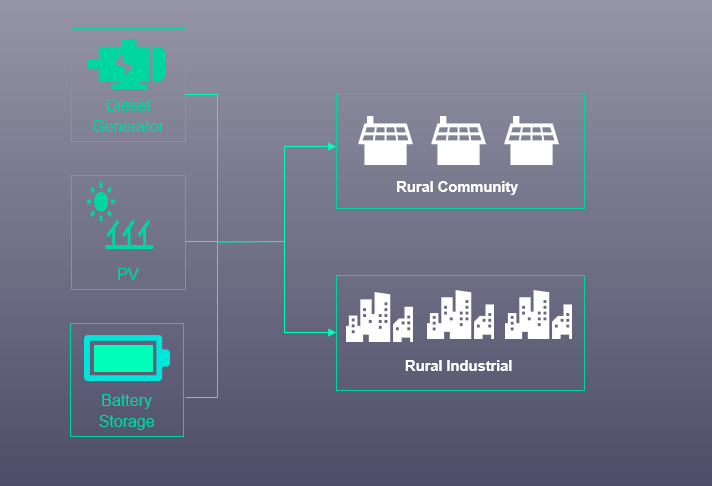
A solar hybrid system combines solar photovoltaic (PV) generation with battery energy storage and backup diesel generators to provide reliable & continuous electricity for rural areas.
For rural communities, solar hybrid systems are often deployed in off-grid areas to supply stable power for homes, schools, clinics and community facilities. By storing excess solar energy in batteries for use at night or during low sunlight periods, these systems reduce dependence on diesel fuel lower operating costs, and improve energy access and quality of life in remote areas.
For industrial applications, solar hybrid systems are designed to support critical operations that require high reliability and power quality. Solar generation offsets daytime energy consumption, while battery energy storage manages load fluctuations, peak demand and short-term outages that depends solely on diesel generators for running their business. This hybrid configuration enhances energy security, greatly reduces diesel consumption & carbon emissions and allows industries to maintain uninterrupted operations while optimizing energy costs & supporting sustainability goals.
Battery Energy Storage System (BESS)
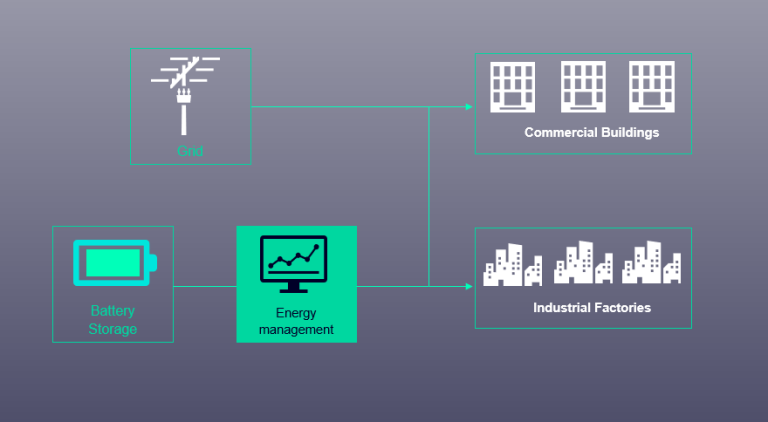
In industrial factories, BESS applications are typically larger in scale and focused on supporting energy-intensive operations. Battery systems help manage peak demand, improve power quality, and ensure continuity for critical processes during grid disturbances or outages. When integrated with renewable energy sources and advanced energy management systems (EMS), BESS enables factories to optimize energy efficiency, reduce reliance on the grid and enhance overall operational resilience while maintaining production reliability.